Strategic Importance of the South Asia Corridor
Regional Connectivity: Links landlocked Central Asian countries, including Uzbekistan, Turkmenistan, and Tajikistan, to key South Asian ports.
Trade Diversification: Offers an alternative to northern or eastern routes, mitigating risks associated with geopolitical tensions and congestion.
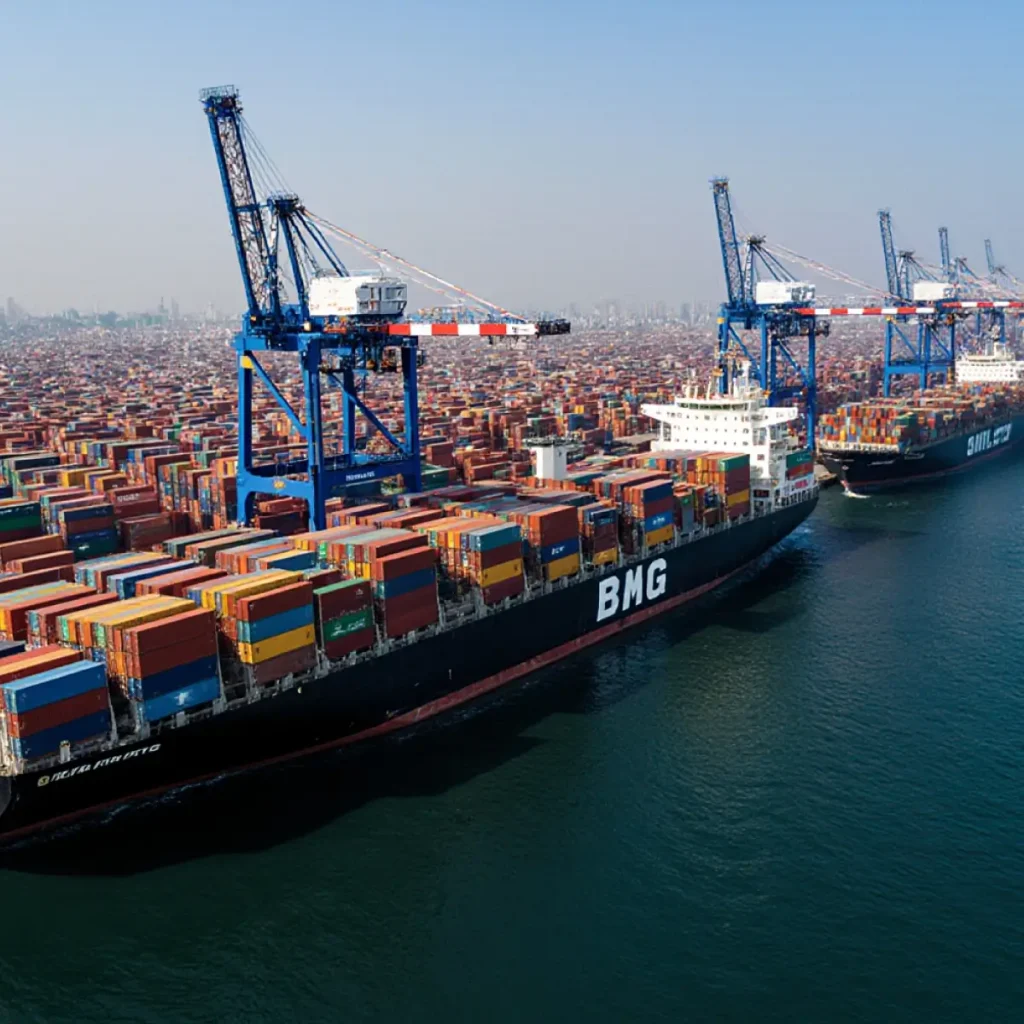
Multimodal Efficiency: Combines rail, road, and maritime options for flexible, cost-effective transport.
Market Access: Connects exporters to South Asia’s largest consumer markets, including India, Pakistan, Bangladesh, and Sri Lanka, as well as Middle East and international destinations.
South Asia Corridor
Uzbekistan
Major exporter of textiles, agricultural products, and industrial goods.
Rail and road networks link Uzbekistan to Afghanistan and Pakistan, facilitating faster shipments.
Afghanistan
Serves as a vital transit country connecting Central Asia to South Asia.
Key border crossings such as Hairatan–Mazari Sharif and Torkham–Peshawar provide road and rail connectivity.
Emerging trade routes through Afghanistan strengthen regional integration.
Iran
Critical gateway to Chabahar Port, offering a direct maritime link to India and beyond.
Modern port facilities and customs efficiency reduce delays for Central Asian exports.
Pakistan
Provides access to multiple seaports:
Karachi Port – the primary hub for Central Asian trade.
Port Qasim – handling containerized and bulk shipments.
Gwadar Port – an emerging CPEC-supported hub enhancing regional trade flows.
Extensive road and rail infrastructure ensures smooth inland connectivity to border points with Afghanistan and Iran.
India, Bangladesh & Sri Lanka
Expands trade reach via maritime routes from Chabahar Port and Pakistan ports.
Supports Central Asian exporters seeking entry into South Asia’s growing markets.
Green Line Operations Role in the South Asia Corridor
Seamless Multimodal Logistics
Expert coordination of rail, road, and maritime transport for Central Asian cargo.
Efficient cargo transfers at key border points, including Afghanistan–Pakistan and Iran–Pakistan crossings.